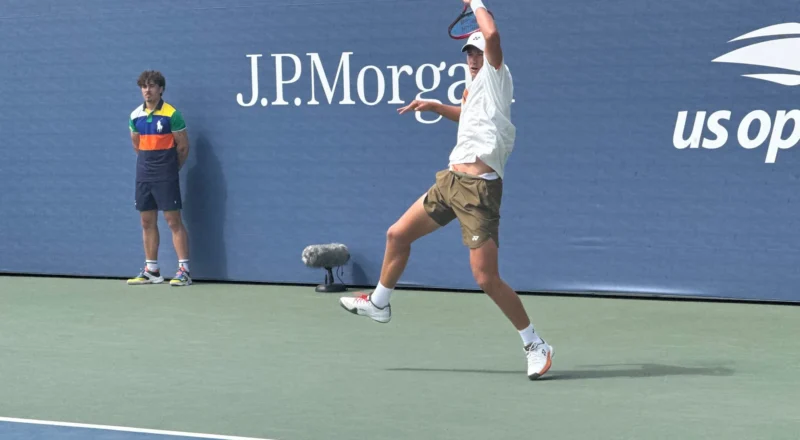
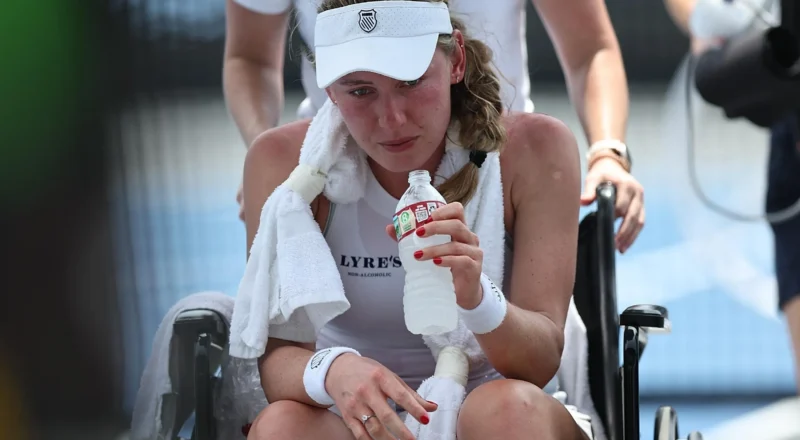
Players Analysis
Katie Boulter and Donna Vekic are set to face off in the semi-finals of the WTA London tournament. Boulter has shown a mixed bag of results recently, with a win percentage of 50% in her last ten matches. In contrast, Vekic has been in better form, winning 70% of her last ten matches. Their head-to-head record shows Vekic winning both encounters, including a recent straight-sets victory in this tournament.
Statistical Analysis & Influencing Factors
Boulter's recent form has been declining, with a win percentage of only 40% in her last five matches. She has struggled with her serve, averaging 4.0% aces and 7.6% double faults in her recent matches. Vekic, on the other hand, has been improving, with a win percentage of 80% in her last five matches. She has a higher ace percentage at 4.8% and a lower double fault percentage at 6.9%. The surface is grass, which tends to favor Vekic's playing style, and her recent performances indicate she is more comfortable on this surface.
K. Boulter — D. Vekic Prediction
Given the recent form and head-to-head results, Donna Vekic is favored to win this match. She has demonstrated superior performance in recent matches and has a psychological edge from their previous encounters.
- Final score in sets: 2:0
- Predicted winner of each set: Set 1 - Donna Vekic, Set 2 - Donna Vekic
- Expected aces: 4
- Double faults: 2
- Break points: 3
In terms of tactical expectations, Vekic is likely to exploit Boulter's serve weaknesses, aiming to pressure her during crucial points. Vekic's strong return game will be key, as she can capitalize on Boulter's double faults and inconsistent first serves.
3 Reasons Why Donna Vekic Will Win
- Recent Form: Vekic has an impressive win percentage of 80% in her last five matches, showcasing her current form and confidence.
- Head-to-Head Advantage: Vekic has won both previous encounters against Boulter, including a recent straight-sets victory, giving her a psychological edge.
- Serve Reliability: Vekic has a lower double fault percentage (6.9%) compared to Boulter (7.6%), indicating better serve reliability under pressure.